Our Professional Blogs

  • Professional House Cleaning: Benefits and Tips

    Professional House Cleaning: Benefits and Tips

    Professional House Cleaning helps homeowners maintain a cleaner, more comfortable living space without overlooking the details that everyday routines can miss. From kitchens and bathrooms to bedrooms, living rooms, and garages, a consistent cleaning approach can make household maintenance easier and more manageable.

    For busy families, working professionals, and homeowners preparing for guests, a clean home supports a more organized daily routine. However, maintaining every room takes time, effort, and the right cleaning methods. A professional cleaning service can help address these challenges through structured cleaning tasks and attention to frequently used areas.

    At Pristine and Cleaning, understanding household cleaning needs begins with recognizing that every home is different. Room size, family routines, pets, flooring materials, and personal preferences all influence the type of cleaning required. This guide explains what professional house cleaning includes, how to maintain a tidy home, and why garage cleaning and organization deserve a place in your household routine.

    What Is Professional House Cleaning?

    Professional house cleaning is a service that uses appropriate cleaning products, equipment, and organized methods to remove dust, dirt, spills, and everyday buildup from residential spaces. Depending on the homeowner’s needs, it may include routine maintenance, detailed cleaning, or a more intensive top-to-bottom cleaning session.

    Unlike a quick daily tidy-up, a planned cleaning service follows a structured approach to different rooms and surfaces. This helps homeowners address areas that are often neglected during busy weeks.

    Typical professional house cleaning tasks include:

    • Dusting furniture, shelves, window sills, and accessible surfaces.
    • Vacuuming carpets, rugs, and upholstered furniture as appropriate.
    • Sweeping and mopping suitable hard floors.
    • Cleaning kitchen counters, sinks, and exterior appliance surfaces.
    • Scrubbing bathroom fixtures, sinks, tubs, and showers.
    • Wiping frequently touched surfaces such as handles and switches.
    • Emptying household trash and straightening common areas.
    • Cleaning accessible areas around furniture and household items.

    The exact tasks depend on the agreed service scope. Oven interiors, inside refrigerators, exterior windows, heavy furniture movement, and detailed garage organization may require separate arrangements.

    Why Is Professional House Cleaning Important?

    A clean home is easier to maintain when cleaning tasks follow a regular schedule. Dust, food residue, bathroom buildup, and clutter can accumulate when household chores are postponed. Professional cleaning can help homeowners manage these tasks while keeping living spaces presentable.

    1. Creates a More Comfortable Living Environment

    Clean floors, fresh bedding, tidy furniture, and organized rooms make everyday activities more enjoyable. Regular dusting and vacuuming also help remove accumulated particles from accessible surfaces.

    Homeowners with children, pets, or frequent visitors may benefit from a cleaning schedule tailored to how often different rooms are used.

    2. Helps Maintain Household Surfaces

    Dirt and spills can gradually affect flooring, countertops, bathroom fixtures, and furniture. Using suitable cleaning products and following manufacturer instructions can help maintain these materials.

    Different surfaces need different approaches. For example, natural stone may require a surface-compatible cleaner, while hardwood floors should not be exposed to excessive moisture.

    3. Saves Time for Busy Households

    Cleaning an entire home can take several hours, particularly when detailed tasks are included. A professional house cleaning service allows homeowners to spend more time on work, family responsibilities, and personal activities.

    The amount of time saved depends on the home’s size, its condition, and the scope of the cleaning appointment.

    4. Supports Better Household Hygiene

    Frequently touched surfaces such as door handles, light switches, kitchen counters, and bathroom faucets deserve regular attention. The Centers for Disease Control and Prevention recommend routine cleaning and explains that disinfection may be appropriate when someone is sick or has recently been ill in the home. Centers for Disease Control and Prevention guidance is available in its home cleaning recommendations.

    What Does a Professional House Cleaning Service Include?

    The scope of a cleaning service varies according to the property and the homeowner’s priorities. Before scheduling an appointment, ask which rooms, surfaces, and additional tasks are included.
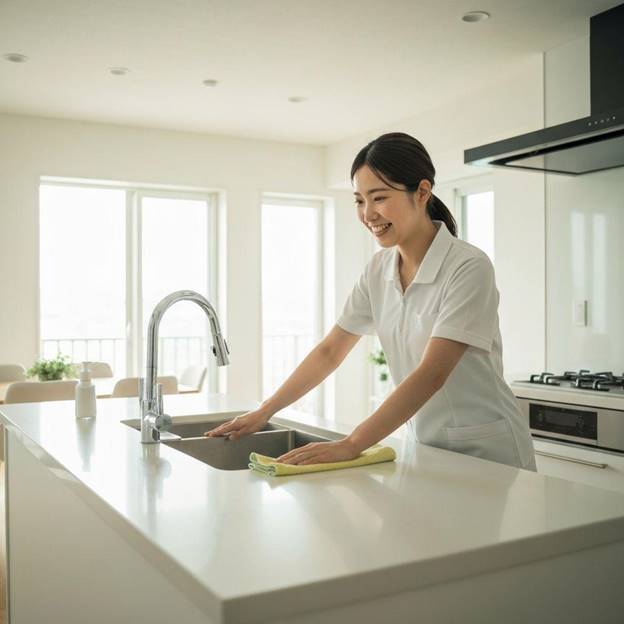
    Kitchen Cleaning

    A typical kitchen cleaning may include wiping countertops, cleaning the sink, removing surface grease, wiping cabinet exteriors, and sweeping or mopping the floor. Appliance interiors and heavy grease removal may require additional time.
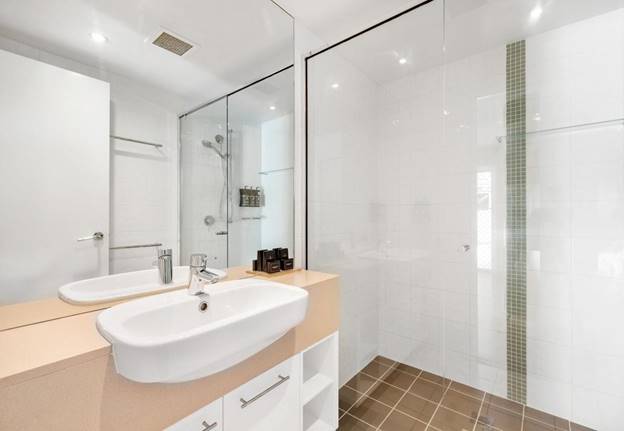
    Bathroom Cleaning

    Bathroom tasks may include cleaning toilets, sinks, mirrors, tubs, shower surfaces, and floors. Appropriate products help address soap residue and everyday buildup while protecting fixtures and finishes.

    Living Room and Bedroom Cleaning

    These rooms often need dusting, vacuuming, floor care, and attention to accessible furniture surfaces. Bed-making and changing linens may be available if agreed upon before the appointment.
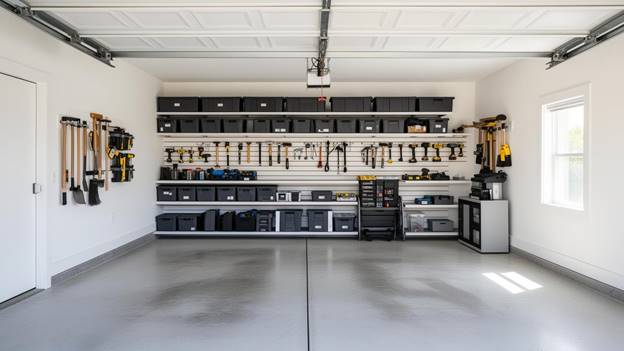
    Garage Cleaning and Organization

    Garage cleaning can include sweeping floors, removing loose debris, wiping accessible shelves, sorting belongings, and grouping tools or seasonal items. Decluttering and storage planning help make the space easier to use.

    Garage Cleaning and Organization: A Practical Guide

    Garage cleaning and organization is an important part of maintaining a well-managed home. Garages frequently become storage areas for sports equipment, gardening tools, holiday decorations, boxes, and items that no longer have a designated place.

    Over time, clutter can make it difficult to locate essential belongings or use the available space effectively. A structured cleaning process helps homeowners restore order without needing to reorganize everything at once.

    Step 1: Sort Items Before Cleaning

    Begin by dividing belongings into categories: keep, donate, recycle, and discard. Check boxes before moving or disposing of them, particularly if they contain documents, household valuables, or seasonal equipment.

    Avoid handling unidentified chemicals, leaking containers, or damaged batteries without appropriate safety guidance.

    Step 2: Remove Dust and Debris

    After clearing a manageable section, sweep the floor and remove loose dirt. Wipe accessible shelves and storage surfaces with suitable products. If using a vacuum, choose equipment appropriate for the debris and floor material.

    Do not sweep or vacuum hazardous substances such as unknown powders or chemical spills with ordinary household equipment.

    Step 3: Create Functional Storage Zones

    Group similar belongings together. For example, gardening supplies can occupy one section, sports equipment another, and seasonal decorations a separate shelf.

    Clear, labeled containers can simplify storage, while wall-mounted systems may free up floor space when properly installed.

    Step 4: Keep Important Areas Accessible

    Maintain clear pathways to doors, electrical panels, and essential equipment. Store tools securely and keep chemicals in their original, labeled containers according to their instructions.

    Do not block exits or store flammable products near heat sources. A garage should remain practical and accessible rather than simply looking tidy.

    Step 5: Establish a Maintenance Routine

    A short monthly review can prevent clutter from returning. Return tools after use, remove unnecessary packaging, and check for moisture or signs of pests.

    For extensive clutter, heavy lifting, or specialized storage installation, consider arranging a separate service rather than assuming these tasks are included in standard house cleaning.

    How Often Should You Schedule Professional House Cleaning?

    The right schedule depends on household activity, available time, pets, children, and personal preferences. Some homes need frequent maintenance, while others can remain presentable with less frequent professional appointments.

    Cleaning frequencyMay suit
    WeeklyBusy households, homes with pets, and frequently used living spaces
    Every two weeksHomes needing regular maintenance without weekly appointments
    MonthlySmaller households or homes that receive consistent routine care
    Deep cleaning as neededSeasonal maintenance, moving, or areas with accumulated buildup

    These are general planning suggestions, not fixed requirements. A homeowner may combine regular professional cleaning with simple daily tasks such as wiping kitchen counters, putting away belongings, and cleaning visible spills.

    Professional Cleaning vs. DIY Cleaning

    Both professional and do-it-yourself cleaning have a place in household maintenance. The right choice depends on your schedule, budget, cleaning requirements, and comfort with the work involved.

    DIY cleaning provides flexibility because you can address small messes whenever they occur. It is particularly useful for everyday tasks such as washing dishes, wiping counters, and tidying bedrooms.

    A professional cleaning service may be more convenient when you need help with multiple rooms, detailed floor care, or a consistent cleaning routine. Before hiring a provider, clarify the expected results, appointment duration, product preferences, and any additional charges.

    Many homeowners choose a combined approach: routine daily maintenance at home and periodic professional assistance for larger cleaning tasks.

    How to Prepare for a House Cleaning Appointment

    A little preparation can help make a cleaning visit more productive.

    • Put away personal belongings: Store clothing, toys, paperwork, and other loose items where possible.
    • Identify priority areas: Tell the provider whether kitchens, bathrooms, bedrooms, or common areas need particular attention.
    • Discuss special surfaces: Mention natural stone, hardwood, delicate furniture, or other materials requiring specific products.
    • Secure pets: Arrange a safe, comfortable location for pets while cleaning takes place.
    • Confirm the service scope: Ask about laundry, dishes, interior appliances, garage cleaning, and other tasks that may be excluded.

    Clear communication helps both the homeowner and cleaning team understand what will be completed during the appointment.

    How to Choose a Professional House Cleaning Company

    Selecting a cleaning provider involves more than comparing prices. Look for clear service descriptions, responsive communication, and transparent expectations.

    A suitable provider should be willing to explain its cleaning process, the products it uses, and how it handles delicate surfaces. Ask whether staff are appropriately trained, what insurance or other coverage applies, and how access to your home and personal belongings is managed.

    It is also useful to confirm cancellation policies, payment terms, appointment availability, and whether the same cleaning team can return for recurring visits.

    For homeowners considering Pristine and Cleaning, the next step is to discuss your property’s needs and confirm which residential cleaning tasks are available. Request a service outline that matches your rooms, priorities, and preferred schedule.

    FAQs

    1. What is included in Professional House Cleaning?

    Professional House Cleaning commonly includes dusting, vacuuming, mopping, kitchen surface cleaning, and bathroom cleaning. Some appointments also cover accessible furniture, bedroom tidying, and trash removal. Exact inclusions vary by provider, so confirm whether deep cleaning, laundry, appliance interiors, and garage organization require separate arrangements.

    2. How much does a professional house cleaning service cost?

    The cost of a professional house cleaning service depends on the home’s size, number of bathrooms, current condition, location, and requested tasks. Deep cleaning and additional services may increase the total. Request a written estimate and confirm whether supplies, travel, and extra labor are included.

    3. How can I keep my home clean between appointments?

    Maintain a simple routine by putting belongings away, wiping kitchen counters, addressing spills promptly, and cleaning frequently touched surfaces regularly. Vacuum busy areas as needed and keep bathrooms tidy. A few consistent daily tasks can help reduce buildup between professional cleaning appointments.

    4. Can garage cleaning and organization be included in a house cleaning service?

    Garage cleaning and organization may be available as an additional service, but it is not automatically included in every residential cleaning package. Ask about sweeping, shelf wiping, de cluttering, storage arrangements, and heavy-item handling. Confirm the scope in advance, especially if the garage contains chemicals or bulky equipment.

    Conclusion: Maintain a Cleaner, More Organized Home

    Professional House Cleaning can help homeowners maintain comfortable living spaces, manage recurring chores, and address areas that often receive less attention. From kitchen and bathroom maintenance to garage cleaning and organization, a practical cleaning plan makes household upkeep more manageable.

    The most useful approach combines regular maintenance, suitable cleaning products, clear priorities, and a schedule that fits your household. Following trusted guidance from the CDC and product manufacturers also helps you clean surfaces appropriately and use cleaning chemicals safely.

    Ready to refresh your home? Contact Pristine and Cleaning to discuss your residential cleaning needs, ask about available services, and plan a cleaning routine that works for your household.
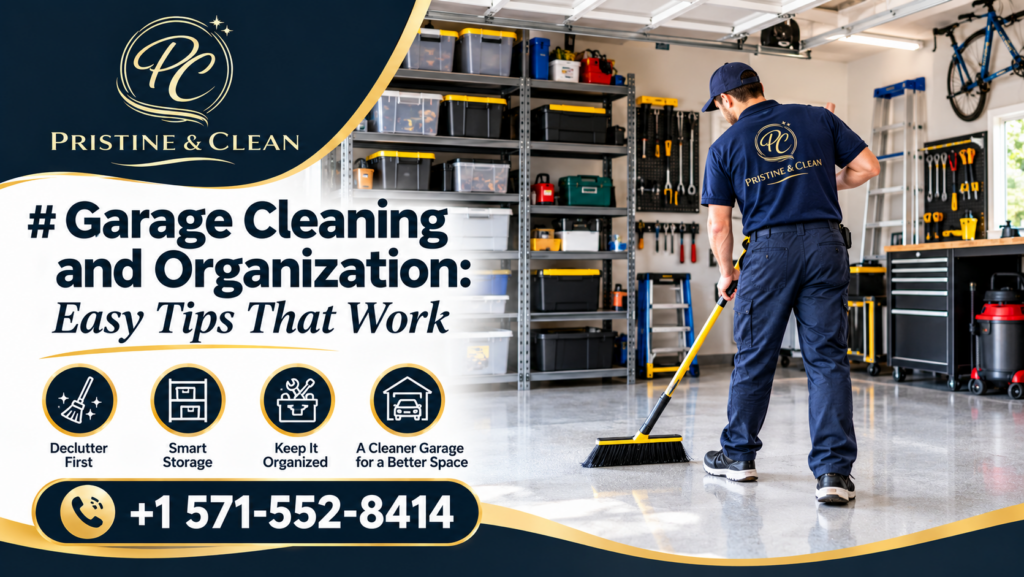
  • Garage Cleaning and Organization: Easy Tips That Work

    Garage Cleaning and Organization: Easy Tips That Work

    Garages often become catch-all spaces for boxes, sports equipment, gardening supplies, tools, old furniture, and seasonal decorations. Without regular cleaning and organization, clutter can quickly take over valuable floor space.

    Garage Cleaning and Organization involves more than sweeping the floor. It includes removing unnecessary items, cleaning surfaces, arranging storage areas, managing tools, and creating practical zones for frequently used belongings.

    A clean garage can make it easier to find items, reduce trip hazards, improve access to stored belongings, and create a more pleasant environment for household projects.

    Garage Cleaning and Organization: Where to Start

    The easiest way to begin is to work systematically rather than trying to clean the entire garage at once.

    Start by creating clear areas for items you want to keep, donate, recycle, dispose of, or relocate. Once unnecessary items are removed, cleaning becomes much easier.

    A practical garage cleaning process includes:

    1. Remove vehicles and movable items when possible.
    2. Sort boxes, tools, equipment, and household belongings.
    3. Remove trash and unwanted items.
    4. Dust shelves, corners, walls, and overhead areas.
    5. Sweep or vacuum the floor thoroughly.
    6. Clean doors, windows, cabinets, and frequently touched surfaces.
    7. Address stains or spills using appropriate cleaning methods.
    8. Organize remaining belongings according to how often they are used.

    Taking one section at a time can make a large garage feel much more manageable.

    How to Clean a Garage Properly

    Garage Cleaning and Organization

    Garage cleaning should generally move from higher surfaces toward the floor. This prevents dust and debris from settling on areas that have already been cleaned.

    1. Clear Out the Clutter

    Begin by removing loose items from the floor. Separate belongings into logical groups instead of randomly moving them from one location to another.

    Ask whether each item is used regularly, needed seasonally, worth repairing, or simply taking up space. Items that no longer have a practical purpose can often be donated, recycled, or discarded according to local guidelines.

    2. Dust and Clean Elevated Areas

    Dust commonly collects on shelves, cabinets, rafters, corners, light fixtures, and stored boxes.

    Use appropriate tools to remove accumulated dust and cobwebs. Pay attention to corners and areas behind storage containers because these locations can easily be overlooked during routine cleaning.

    3. Sweep or Vacuum the Floor

    After elevated areas are cleaned, sweep or vacuum the entire garage floor.

    Pay particular attention to areas around storage shelves, workbenches, doors, and corners. If the floor has visible dirt or residue, use a suitable cleaning method for the floor material.

    Oil, grease, paint, and chemical spills may require different approaches. Always follow the product label and avoid mixing household cleaning chemicals.

    4. Clean Shelves, Cabinets, and Work Surfaces

    Wipe down shelves, cabinets, workbenches, handles, and other frequently touched surfaces.

    Before placing items back into storage, check containers and equipment for dust, dirt, leaks, or damage. Cleaning storage areas before reorganizing them helps prevent clutter from returning immediately.

    Practical Garage Organization Ideas

    Effective Organization is about making frequently used items easy to access while keeping less frequently used belongings out of the way.

    Consider dividing the garage into zones such as:

    • Automotive supplies
    • Gardening equipment
    • Hand and power tools
    • Sports equipment
    • Seasonal decorations
    • Household storage
    • Recycling and waste

    Wall-mounted storage can help free up floor space. Shelving units can also provide a defined location for boxes and containers.

    Clear labels are especially useful for seasonal items because they reduce the need to open multiple boxes when searching for something.

    Garage Storage Solutions That Make Cleaning Easier

    Storage should support your cleaning routine rather than create additional clutter.

    Shelving, cabinets, pegboards, wall hooks, and labeled containers can help keep belongings organized. Frequently used tools should be stored where they can be reached easily, while rarely used seasonal belongings can be placed higher or farther toward the back.

    Keep pathways and access points clear. Do not stack belongings in unstable piles or block electrical panels, doors, ventilation areas, or other important access points.

    A simple rule is useful: if an item does not have a designated place, it is more likely to become clutter again.

    How Often Should a Garage Be Cleaned?

    The ideal cleaning schedule depends on garage usage, weather, storage volume, and household activities.

    A quick cleanup every few weeks can prevent dust and debris from accumulating. A more thorough garage cleaning may be appropriate every few months, particularly after seasonal changes.

    A deeper cleaning may also be useful after:

    • Home improvement projects
    • Moving or renovation work
    • Major de cluttering
    • Water leaks or spills
    • Extended periods of heavy use
    • Seasonal storage changes

    Regular maintenance generally requires less effort than allowing clutter and dirt to accumulate for long periods.

    When to Consider a Professional Cleaning Service

    Some garages require more time and physical effort than a homeowner can reasonably provide. Large garages, heavily cluttered storage areas, dusty surfaces, and post-project cleanup may benefit from a professional Cleaning Service.

    A professional cleaning team can help with tasks such as surface cleaning, sweeping, dust removal, clutter-related cleanup, and general garage maintenance.

    Before hiring a Service, confirm what is included. Ask whether the provider handles garage floors, shelves, cabinets, heavy debris, or specific cleaning requirements.

    Professional cleaning can be particularly useful when you want to restore an overlooked garage and then maintain it with a regular cleaning routine.

    Safety Tips for Garage Cleaning

    Garage cleaning should be approached carefully because garages can contain tools, chemicals, sharp objects, heavy equipment, and slippery surfaces.

    Keep cleaning products in their original labeled containers and follow manufacturer instructions. Provide adequate ventilation when using products that require it, and never mix cleaning chemicals unless the product instructions specifically allow it.

    Wear appropriate protective equipment, when necessary, particularly when dealing with substantial dust or unknown residues.

    If you discover leaking containers, damaged electrical equipment, significant mold growth, hazardous materials, or an unknown substance, avoid disturbing it unnecessarily and seek appropriate professional guidance.

    Garage Cleaning and Organization for a More Functional Home

    A garage does not need to look perfect to be useful. The goal is to create a practical environment where belongings have designated locations and important areas remain accessible.

    One effective approach is to organize according to frequency of use. Everyday items should be easy to reach. Seasonal belongings can be stored in clearly labeled containers. Large equipment can be positioned along walls where it does not interfere with walkways.

    This approach combines Garage Cleaning, storage, and Organization into one sustainable routine.

    Why Professional Garage Cleaning Can Save Time

    Garage cleaning can become physically demanding when there are many stored belongings or years of accumulated dust and debris. A professional Cleaning Service can provide structured assistance and help homeowners focus on maintaining the space after the initial cleanup.

    For homeowners in Virginia and Maryland, Pristine and Cleaning provides cleaning solutions designed around practical household and property-maintenance needs. A consistent cleaning routine can help keep garage areas more manageable throughout the year.

    FAQs

    What is included in garage cleaning?

    Garage cleaning commonly includes removing loose debris, sweeping or vacuuming floors, dusting accessible surfaces, cleaning shelves and work areas, and addressing general dirt buildup. The exact scope depends on the condition of the garage and the Cleaning Service selected.

    How often should I schedule Garage Cleaning and Organization?

    Garage Cleaning and Organization can be performed as needed, with a deeper cleanup every few months for many households. Homes with frequent garage activity, extensive storage, or seasonal changes may benefit from more frequent maintenance.

    What is the best way to organize a cluttered garage?

    Start by removing unwanted belongings and grouping the remaining items by purpose. Use shelves, cabinets, hooks, pegboards, and labeled containers to create designated storage areas. Keep frequently used items accessible and maintain clear walkways.

    Can a professional cleaning service clean a garage?

    Yes, a professional Cleaning Service may handle garage floors, dust, shelves, work areas, and general cleanup depending on its scope of work. Before scheduling, confirm which tasks are included and whether special debris or heavy-item cleanup requires additional arrangements.

    Conclusion: Keep Your Garage Clean and Organized

    A clean and Garage Cleaning and Organization can provide more usable space, easier access to belongings, and a more functional part of your home. The process starts with de cluttering, followed by systematic cleaning and practical storage.

    For larger or time-consuming projects, a professional Cleaning Service can help simplify the work. Pristine and Cleaning can help homeowners maintain cleaner spaces through practical cleaning solutions.

    If your garage needs a thorough refresh, contact Pristine and Cleaning to discuss your cleaning needs and create a more organized space.

  • Pressure Washing Services: A Complete Guide for Cleaner Surfaces

    Pressure Washing Services: A Complete Guide for Cleaner Surfaces

    Pressure Washing Services can quickly refresh outdoor surfaces by removing built-up dirt, grime, algae, stains, and other unwanted deposits. For homeowners and businesses, professional pressure washing can improve the appearance of driveways, patios, sidewalks, decks, exterior walls, and other hard surfaces.

    At Pristine and Cleaning, the goal is not simply to make a surface look cleaner. Proper surface cleaning requires choosing an appropriate pressure level, method, equipment, and cleaning approach for the material being treated.

    What Are Pressure Washing Services?

    Pressure washing uses pressurized water to clean durable exterior surfaces. Depending on the surface and the type of buildup, professionals may use different pressure levels, nozzles, detergents, and cleaning techniques.

    Common applications include:

    • Driveways and walkways
    • Patios and concrete surfaces
    • Exterior walls
    • Decks and fences
    • Parking areas
    • Outdoor stairs
    • Commercial building exteriors
    • Other suitable hard outdoor surfaces

    The correct approach depends on the material. Concrete can generally tolerate more pressure than delicate wood, painted surfaces, or certain exterior finishes. Using excessive pressure can damage surfaces rather than improve them.

    Why Pressure Washing Matters

    Outdoor surfaces are exposed to rain, humidity, dust, vehicle traffic, foot traffic, and changing weather conditions. Over time, these factors can leave behind layers of dirt and organic growth.

    Professional pressure washing can help remove:

    • Dirt and mud
    • Algae and mildew buildup
    • Surface grime
    • Certain stains
    • Loose debris
    • Atmospheric deposits
    • Some oil-related residue from appropriate hard surfaces

    Regular exterior cleaning can also make properties look more maintained and presentable. For commercial properties, clean entrances, sidewalks, and exterior areas can contribute to a more organized appearance for customers and visitors.

    Pressure Washing Services for Different Surfaces

    Not every surface should be cleaned in exactly the same way. A professional should evaluate the material before beginning.

    Driveways and Concrete

    Concrete driveways can accumulate dirt, tire marks, organic growth, and other stains. Pressure washing can help restore a cleaner appearance and remove surface buildup that ordinary rinsing may not handle effectively.

    Patios and Walkways

    Patios and walkways often collect dirt, leaves, algae, and other outdoor debris. Cleaning these areas can make outdoor spaces look fresher while helping remove slippery organic buildup.

    Decks and Fences

    Wood requires more care than many concrete surfaces. Excessive pressure can damage wood fibers, create visible marks, or contribute to surface deterioration. A lower-pressure cleaning approach may be more appropriate depending on the condition and finish.

    Exterior Walls

    Building exteriors can collect dust, dirt, and atmospheric deposits. Pressure washing may be suitable for some exterior materials, but the cleaning method should be selected according to the siding, masonry, paint, or other finish.

    Pressure Washing vs. Power Washing

    Pressure Washing Services

    The terms pressure washing and power washing are often used interchangeably, but there can be a technical difference.

    Pressure washing primarily uses pressurized water. Power washing generally refers to equipment that also heats the water. Hot water can be useful for certain types of grease and heavy buildup, while standard pressure washing may be suitable for many routine exterior cleaning applications.

    The appropriate method depends on the surface, soil type, cleaning objective, and equipment available.

    When Should You Consider Pressure Washing?

    There is no single schedule that works for every property. Cleaning frequency depends on climate, surface type, surrounding vegetation, traffic, and how quickly dirt or organic material accumulates.

    You may want to consider professional cleaning when:

    • Driveways have visible dirt or stains.
    • Walkways have accumulated grime or algae.
    • Patios look dull or heavily soiled.
    • Exterior walls have noticeable buildup.
    • A property is being prepared for sale.
    • Outdoor areas need cleaning before an event.
    • A commercial property requires routine exterior maintenance.

    Rather than waiting until surfaces become heavily soiled, periodic cleaning can make exterior maintenance easier.

    How Professional Pressure Washing Works

    A quality cleaning process involves more than simply pointing a pressure washer at a dirty surface.

    1. Surface Inspection

    The cleaning professional first evaluates the surface, its material, condition, stains, and surrounding areas.

    2. Preparation

    Furniture, decorations, vehicles, and other items may need to be moved or protected. Nearby areas are assessed for potential water exposure.

    3. Selecting the Cleaning Method

    The appropriate pressure, nozzle, water flow, and cleaning solution are selected according to the surface.

    4. Surface Cleaning

    The technician works systematically across the area, maintaining an appropriate distance and spray pattern to clean the surface without unnecessary damage.

    5. Final Rinse and Inspection

    After cleaning, the area is rinsed and checked to determine whether additional treatment is appropriate.

    This structured approach helps distinguish professional surface cleaning from simply using maximum pressure.

    Can Pressure Washing Remove Mold and Algae?

    Pressure washing can remove visible buildup from some exterior hard surfaces, but it is important to understand that cleaning and mold remediation are not always the same thing.

    The CDC recommends removing visible mold and addressing the underlying moisture problem rather than simply covering or ignoring mold growth.

    For exterior surfaces, the appropriate cleaning method depends on the material and extent of growth. Heavy or unusual mold contamination may require additional assessment rather than relying only on high-pressure water.

    Is Pressure Washing Safe?

    Pressure washing equipment can be highly effective, but the spray can also cause serious injuries. The CDC advises following the manufacturer’s instructions and keeping people away from the spray area. Gas-powered equipment should also be used outdoors and away from doors, windows, and vents because of carbon monoxide risks.

    Professional operators should therefore consider:

    • Appropriate protective equipment
    • Safe operating distance
    • Electrical safety
    • Nearby people and pets
    • Surface-specific pressure levels
    • Proper equipment handling
    • Safe management of wastewater

    This is particularly important when cleaning large areas or working around buildings.

    Responsible Water and Runoff Management

    Pressure washing can move dirt, sediment, oils, and other contaminants from surfaces into wastewater. EPA resources explain that stormwater can carry pollutants from hard surfaces into waterways and storm drains.

    Local requirements for pressure-washing wastewater can vary by jurisdiction. Responsible service providers should consider where wastewater is going and take appropriate steps to prevent contaminated runoff from entering storm drains or waterways.

    This is an important part of professional exterior cleaning that is sometimes overlooked.

    DIY Pressure Washing or Professional Service?

    Some homeowners choose to rent or purchase pressure washing equipment. While DIY cleaning can be suitable for certain straightforward jobs, professional services can be useful when surfaces are large, heavily soiled, delicate, elevated, or difficult to access.

    The main issue is not simply how much pressure the machine can produce. The key is using the right amount of pressure for the specific surface.

    Too little pressure may leave buildup behind. Too much pressure can damage paint, wood, masonry, joints, or surface finishes.

    For homeowners who are uncertain about equipment settings or surface compatibility, professional assessment can reduce the risk of accidental damage.

    Benefits of Professional Pressure Washing Services

    Professional exterior cleaning can provide several practical benefits:

    Improved appearance: Removing accumulated grime can make outdoor surfaces look noticeably cleaner.

    Surface maintenance: Routine cleaning can remove layers of dirt and organic buildup before they become more difficult to address.

    Time savings: Professionals can clean larger areas efficiently with commercial equipment.

    Surface-specific methods: Different materials can require different cleaning techniques and pressure levels.

    Convenience: Homeowners and business owners can avoid storing, transporting, and operating heavy cleaning equipment themselves.

    For properties in Virginia and Maryland, seasonal weather can make exterior maintenance particularly important. Pristine and Cleaning can help property owners address routine outdoor cleaning needs with a practical, surface-conscious approach.

    How Often Should You Pressure Wash?

    The ideal frequency depends on the property. A home surrounded by trees may develop organic buildup faster than a property in a dry, open area. Commercial properties with heavy foot traffic may also require more frequent cleaning.

    Instead of following a rigid annual schedule, inspect exterior surfaces regularly. If dirt, algae, stains, or noticeable buildup begins affecting appearance or usability, it may be time to arrange professional cleaning.

    FAQs

    What Do Pressure Washing Services Include?

    Pressure Washing Services generally involve cleaning suitable exterior surfaces with pressurized water and, when appropriate, cleaning solutions. Common applications include driveways, sidewalks, patios, decks, fences, and selected building exteriors. The exact service depends on the material, condition, buildup, and cleaning requirements.

    How Often Should I Use Pressure Washing Services?

    The frequency depends on surface type, weather exposure, surrounding vegetation, traffic, and visible buildup. Some properties may need seasonal cleaning, while others may only require occasional service. Regular inspection is a practical way to determine when Pressure Washing Services may be useful.

    Can Pressure Washing Remove Mold and Algae?

    Pressure washing can remove visible organic buildup from many suitable exterior surfaces, but it does not automatically resolve every mold problem. The CDC recommends removing mold and addressing moisture sources. For significant contamination, additional professional assessment may be appropriate.

    Is Pressure Washing Safe for Every Surface?

    No. Pressure levels should be selected according to the material and condition of the surface. Concrete may tolerate stronger cleaning than wood, painted surfaces, or delicate finishes. Using excessive pressure can cause damage, which is why surface inspection and appropriate equipment settings are important.

    Conclusion: Keep Your Property Looking Clean

    Pressure washing Services is a practical way to remove accumulated dirt, grime, algae, and other deposits from many exterior surfaces. However, effective cleaning is about more than using high pressure. The right equipment, pressure level, cleaning method, surface knowledge, and wastewater practices all contribute to a responsible service.

    Pristine and Cleaning provides professional cleaning solutions designed to help homeowners and businesses maintain cleaner, more presentable exterior spaces. If your driveway, patio, walkway, building exterior, or other suitable surface needs attention, consider scheduling a professional assessment.

  • Junk Removal Services: A Cleaner Space Made Simple

    Junk Removal Services: A Cleaner Space Made Simple

    Junk Removal Services can make it easier to clear unwanted furniture, household clutter, appliances, yard debris, and other non-hazardous items from a property. Whether you are cleaning out a home, preparing for a move, renovating a room, or managing business waste, professional Junk Removal can save time and reduce the physical work involved.

    Unlike ordinary trash collection, junk removal generally focuses on larger or accumulated items that may not fit into regular household waste services. A professional service can help identify what can be collected, organize the removal process, and transport eligible items for appropriate disposal, reuse, recycling, or donation.

    For homeowners and businesses in Virginia, understanding how Junk Removal Services work can help you plan a cleaner and more organized property.

    What Are Junk Removal Services?

    Junk Removal Services are professional services designed to collect and haul away unwanted items from residential or commercial properties.

    Common examples include:

    • Old furniture and mattresses
    • Broken appliances
    • Household clutter
    • Cardboard and miscellaneous items
    • Yard debris
    • Garage and basement items
    • Office furniture
    • Move-out debris
    • Non-hazardous renovation materials

    The exact materials accepted vary by provider. Items such as hazardous chemicals, certain electronics, construction materials, paint, medical waste, or other regulated materials may require specialized disposal.

    A professional junk removal provider can explain which items are accepted before scheduling the service.

    When Should You Consider Junk Removal?

    Junk can accumulate gradually until a garage, basement, storage area, office, or spare room becomes difficult to use. Junk Removal Services can be useful when the volume or size of unwanted items makes regular disposal impractical.

    Common situations include moving to a new home, clearing an inherited property, preparing a house for sale, completing a renovation, cleaning a rental property, or organizing a commercial workspace.

    The goal is not simply to remove items. Proper Junk Removal can also help restore usable space and make future cleaning easier.

    What Can Junk Removal Services Take?

    Junk Removal Services

    The materials accepted depend on the company’s policies and local disposal requirements. Many general junk removal services handle ordinary household and commercial items.

    Household Junk

    Household removal may include unwanted chairs, tables, shelving, mattresses, boxes, toys, and other miscellaneous possessions.

    Appliance Removal

    Some providers collect large appliances such as refrigerators, washing machines, dryers, and other bulky equipment. Special handling may apply to appliances containing refrigerants or other regulated components.

    Furniture Removal

    Old sofas, desks, cabinets, bed frames, dressers, and similar furniture can take up considerable space. Professional removal eliminates the need to move these heavy items yourself.

    Yard and Outdoor Debris

    Depending on local requirements and the provider’s service area, junk removal may include branches, outdoor furniture, non-hazardous landscaping debris, and other unwanted outdoor materials.

    Office and Commercial Junk

    Businesses may use junk removal to clear desks, chairs, shelving, outdated furnishings, boxes, and other non-hazardous workplace items.

    Always confirm accepted materials before booking. Disposal regulations can differ by location and material type.

    How Does Junk Removal Work?

    The process is generally straightforward.

    First, identify the items you want removed and separate them from possessions you intend to keep. Then contact the provider and describe the type and approximate amount of junk.

    The company may provide an estimate based on the quantity, type, accessibility, and location of the materials. After scheduling, the removal team arrives, collects the eligible items, loads them, and transports them for the appropriate next step.

    Depending on the material, items may be reused, donated, recycled, transferred to a permitted facility, or disposed of according to applicable requirements.

    Benefits of Professional Junk Removal

    One major benefit of professional Junk Removal Services is convenience. Large and heavy items can be difficult to move safely without the right equipment or additional help.

    Professional removal can also help reduce the time required for a major cleanup. Instead of making repeated trips to disposal facilities, property owners can arrange for eligible materials to be collected in one coordinated service.

    Another benefit is better organization. Removing unused furniture, accumulated boxes, broken equipment, and other clutter can create more usable space in garages, basements, offices, and storage areas.

    For businesses, clearing unwanted items can also make workspaces easier to organize and maintain.

    Junk Removal vs. Regular Trash Collection

    Junk removal and regular trash collection serve different purposes.

    Regular Trash CollectionJunk Removal
    Primarily handles routine household wasteFocuses on bulky or accumulated unwanted items
    Usually follows a fixed collection scheduleUsually scheduled as needed
    Limited container capacityOften suitable for larger cleanouts
    May not accept large furnitureMay accept eligible furniture and bulky items
    Designed for everyday wasteDesigned for cleanup and removal projects

    If you only have a small amount of ordinary household waste, your normal municipal collection may be sufficient. For large, bulky, or accumulated items, a dedicated removal service may be more practical.

    How to Prepare for Junk Removal

    Preparation can make the appointment more efficient.

    Start by deciding exactly what should go. Separate unwanted items from belongings you want to keep. If possible, place smaller items together and make sure the removal team can safely access the area.

    Check the provider’s accepted-items policy before the appointment. This is particularly important for paint, chemicals, batteries, electronics, construction debris, and other materials that may have special disposal requirements.

    If you are cleaning an entire property, consider organizing the project by room. This makes it easier to identify what needs to be removed and what should remain.

    Choosing Junk Removal Services

    When comparing Junk Removal Services, look beyond convenience alone. Consider whether the provider clearly explains accepted materials, pricing, service areas, scheduling, and disposal practices.

    It can also be useful to ask:

    1. What types of junk do you accept?
    2. Are there materials you cannot collect?
    3. How is the service priced?
    4. Do you provide removal from inside the property?
    5. Where are collected materials taken?
    6. Are reusable or recyclable items handled separately?

    Clear answers can help prevent unexpected issues on service day.

    Responsible Disposal Matters

    Junk removal is not simply about moving unwanted items from one location to another. Responsible handling matters because different materials require different disposal methods.

    Reusable furniture or household goods may have opportunities for donation or reuse. Certain materials can be recycled, while regulated or hazardous materials may require specialized facilities.

    The U.S. Environmental Protection Agency provides consumer guidance on waste reduction, reuse, recycling, and responsible waste management. Local government waste programs can also provide information about materials accepted in specific communities.

    For Virginia property owners, checking local requirements is especially important when disposing of unusual, hazardous, or regulated materials.

    Junk Removal for Homes and Businesses

    Residential Junk Removal can help homeowners manage garage cleanouts, basement clutter, moving-related cleanup, unwanted furniture, and general property organization.

    Commercial Junk Removal Services can support offices, retail locations, rental properties, and other workplaces when outdated furniture, boxes, equipment, or other non-hazardous materials need to be cleared.

    The right service depends on the size of the project, the type of materials involved, property access, and local disposal requirements.

    FAQs

    1. What do Junk Removal Services usually include?

    Junk Removal Services generally involve collecting, loading, transporting, and appropriately handling eligible unwanted items. Depending on the provider, this may include furniture, appliances, household clutter, yard debris, and office items. Accepted materials, pricing, and disposal methods vary, so confirm details before scheduling.

    2. How much does Junk Removal cost?

    The cost of Junk Removal depends on factors such as the amount and type of material, accessibility, labor involved, location, and disposal requirements. Some providers charge according to volume, while others use different pricing structures. Requesting an estimate before service can help you understand the expected cost.

    3. Can Junk Removal Services remove furniture?

    Yes, many Junk Removal Services accept bulky furniture such as sofas, tables, desks, dressers, cabinets, and bed frames. However, acceptance can vary by company and location. If you have particularly large, damaged, or difficult-to-access furniture, describe it when requesting an estimate.

    4. Are all types of junk accepted?

    No. Junk Removal Services generally have restrictions on hazardous, regulated, or specialized materials. Paint, chemicals, medical waste, certain batteries, and some construction or electronic materials may require separate disposal. Always check the provider’s accepted-items list before placing restricted materials with ordinary junk.

    Conclusion: Make Cleanup More Manageable

    Junk Removal Services provide a practical way to clear unwanted items from homes, offices, rental properties, garages, and other spaces. From furniture and appliances to accumulated household clutter, professional Junk Removal can reduce the physical effort involved in larger cleanup projects.

    For a property cleanup in Virginia, Pristine and Cleaning can help you understand your removal needs and determine the appropriate service for eligible unwanted items.Ready to clear unwanted clutter? Contact Pristine and Cleaning to discuss your junk removal needs and take the next step toward a cleaner, more organized space.

  • Mold Prevention Service for Cleaner, Healthier Homes

    Mold Prevention Service for Cleaner, Healthier Homes

    Why Mold Prevention Matters

    The U.S. Environmental Protection Agency explains that moisture control is the key to controlling indoor mold. Fixing leaks, reducing humidity, improving ventilation, and drying wet materials promptly can help limit mold growth.

    For homeowners and businesses, prevention is often more practical than waiting until visible mold or a musty odor becomes a recurring problem. A professional Mold Prevention Service can evaluate common moisture sources and help establish a cleaning and maintenance routine designed around the property’s specific conditions.

    What Is a Mold Prevention Service?

    A Mold Prevention Service is a professional approach to reducing the conditions that encourage mold growth. Rather than focusing only on visible spots, prevention looks at the underlying factors that may contribute to recurring moisture and mold.

    Depending on the property, a prevention service may include:

    • Inspecting areas prone to moisture and condensation
    • Identifying visible signs of water intrusion
    • Checking bathrooms, kitchens, basements, ceilings, and other vulnerable areas
    • Reviewing ventilation and humidity concerns
    • Cleaning areas where appropriate

    Recommending moisture-control measures

    • Helping establish a routine cleaning and maintenance plan

    The exact service can vary according to the building, its age, construction materials, moisture history, and current condition.

    Mold Prevention Starts with Moisture Control

    The most important principle of Mold Prevention is simple: control moisture.

    Mold spores can exist indoors without automatically becoming a mold problem. According to the EPA, mold growth occurs when spores encounter moisture and suitable materials. That means eliminating unnecessary moisture is central to long-term prevention.

    Common moisture sources include:

    • Plumbing leaks
    • Roof leaks
    • Flooding or water intrusion
    • Condensation around windows and pipes
    • High indoor humidity
    • Poor bathroom ventilation
    • Damp basements and crawl spaces
    • Air-conditioning drainage problems
    • Wet carpets or upholstery
    • Moisture from cooking and showering

    EPA guidance recommends keeping indoor relative humidity below 60%, with an ideal range of approximately 30% to 50% when possible.

    Common Areas Where Mold Can Develop

    Mold Prevention Service

    Some parts of a property require more attention because they naturally experience higher humidity or moisture.

    Bathrooms

    Bathrooms produce substantial moisture through showers, baths, and sinks. Without adequate ventilation, moisture can settle on walls, ceilings, grout, and other surfaces.

    Using exhaust fans that vent outdoors and addressing persistent condensation can help reduce the conditions that support mold.

    Kitchens

    Cooking, dishwashing, plumbing leaks, and poor ventilation can increase indoor humidity. Regular cleaning combined with proper ventilation can make the kitchen less favorable to mold growth.

    Basements

    Basements may experience water intrusion, condensation, or elevated humidity. Regular inspection and humidity management are particularly important in these areas.

    Around Windows and Pipes

    Condensation can form on cold surfaces when warm, humid air comes into contact with them. EPA guidance recommends reducing humidity and addressing cold surfaces where condensation repeatedly occurs.

    Carpets and Upholstery

    Absorbent materials can retain moisture for extended periods. If these materials become wet, quick drying is important. Materials that remain wet or become visibly moldy may require professional assessment or replacement.

    How a Professional Prevention Service Can Help

    A professional Prevention Service can provide a more systematic approach than occasional household cleaning.

    Instead of simply treating a visible area, the process can consider why moisture is present and whether similar conditions exist elsewhere.

    A typical service may involve an initial property assessment, identification of moisture-prone areas, cleaning recommendations, ventilation considerations, and preventive maintenance guidance.

    This approach is especially useful for properties that have experienced:

    • Previous water damage
    • Recurring condensation
    • Plumbing leaks
    • Basement dampness
    • Persistent musty odors
    • Repeated mold growth
    • Poor ventilation
    • Flooding or water intrusion

    The goal is not to claim that every property can be completely free of mold spores. The EPA notes that eliminating all indoor mold spores is not practical. Instead, effective prevention focuses on controlling moisture and promptly addressing mold growth when it occurs.

    What to Do After Water Damage

    Fast action following water damage can make a significant difference.

    EPA guidance recommends drying wet areas and materials within approximately 24 to 48 hours, when possible, to help prevent mold growth.

    After a leak, spill, or flooding event:

    1. Stop the source of water if it is safe to do so.
    2. Remove standing water.
    3. Increase ventilation where appropriate.
    4. Dry affected materials thoroughly.
    5. Check nearby walls, flooring, ceilings, and furnishings.
    6. Watch for musty odors or visible mold.
    7. Address the underlying moisture source rather than only cleaning the surface.

    For major water damage, contaminated water, or extensive mold growth, professional assessment may be appropriate. EPA guidance specifically recommends additional professional consideration when mold covers more than about 10 square feet or when substantial water damage has occurred.

    Mold Prevention vs. Mold Cleanup

    These services are related but not identical.

    Mold prevention focuses on reducing the conditions that allow mold to develop. This includes moisture management, ventilation, humidity control, and regular maintenance.

    Mold cleanup addresses mold that is already present.

    If visible mold exists, simply applying a product to the affected area may not solve the underlying problem. EPA guidance emphasizes that the moisture issue should also be corrected; otherwise, mold may return.

    This distinction is important for homeowners looking for a long-term solution rather than temporary surface treatment.

    Is Mold Testing Always Necessary?

    Mold testing is not automatically required for every situation. The CDC states that it does not recommend routine mold testing because identifying the specific type or quantity of mold does not necessarily change the basic need to remove mold and correct the moisture problem.

    For many properties, visible mold, moisture problems, water damage, and musty odors provide useful information for determining the next steps.

    When there is extensive damage, hidden moisture, HVAC concerns, or other unusual circumstances, a qualified professional can help determine whether additional assessment is appropriate.

    Why Choose Pristine and Cleaning?

    Pristine and Cleaning provides cleaning and property-care services designed around the practical needs of residential and commercial spaces.

    When addressing Mold Prevention Service needs, a prevention-focused approach can help property owners pay attention to moisture-prone areas before recurring problems become more difficult to manage.

    A professional cleaning plan can complement everyday maintenance by focusing on cleanliness, ventilation considerations, moisture awareness, and the condition of commonly affected areas.

    For properties with a history of moisture or mold concerns, consistent maintenance can be an important part of keeping indoor spaces cleaner and more comfortable.

    Simple Mold Prevention Tips for Property Owners

    Mold prevention does not depend entirely on professional service. Regular property maintenance also plays an important role.

    Keep these habits in your routine:

    • Repair plumbing and roof leaks promptly.
    • Keep indoor humidity under control.
    • Use bathroom and kitchen exhaust fans.
    • Dry wet materials as quickly as possible.
    • Keep air-conditioning drain lines and drip pans maintained.
    • Watch for condensation around windows and pipes.
    • Improve airflow in damp areas.
    • Inspect basements and other moisture-prone spaces regularly.

    The CDC similarly recommends controlling humidity, improving airflow, repairing leaks, and drying wet areas quickly to reduce mold growth.

    FAQs

    What does a Mold Prevention Service include?

    A Mold Prevention Service generally focuses on identifying moisture-prone areas, improving preventive cleaning practices, addressing conditions that encourage mold growth, and recommending practical moisture-control measures. The exact service depends on the property’s condition, history of water damage, ventilation, humidity, and areas of concern.

    How can Mold Prevention help stop recurring mold?

    Mold Prevention works primarily by controlling the conditions that allow mold to grow. Fixing leaks, reducing excessive humidity, improving ventilation, and drying wet materials promptly can reduce moisture availability. If existing mold is present, it should also be properly addressed rather than relying only on preventive cleaning.

    What humidity level helps prevent mold?

    The EPA recommends keeping indoor relative humidity below 60%, ideally between 30% and 50% when possible. A simple humidity meter can help property owners monitor indoor conditions. If humidity remains consistently high, an air conditioner, dehumidifier, ventilation improvements, or professional evaluation may be appropriate.

    When should I hire a mold prevention service?

    Consider professional help when mold repeatedly returns, moisture problems are difficult to identify, a property has experienced water damage, or damp conditions persist despite routine cleaning. Extensive mold growth or significant water damage may also require professional assessment and remediation guidance.

    Conclusion: Take Action Before Mold Returns

    Effective Mold Prevention Service is about more than cleaning visible spots. Long-term prevention starts with controlling moisture, improving ventilation, addressing leaks, monitoring humidity, and responding quickly to water damage.

    If your home or commercial property has recurring moisture concerns, musty odors, or areas where mold repeatedly develops, Pristine and Cleaning can help you develop a practical cleaning and prevention approach.

    Contact Pristine and Cleaning to learn more about professional cleaning and mold prevention solutions for your property.

  • Professional Disinfection Service for Cleaner Spaces

    Professional Disinfection Service for Cleaner Spaces

    A professional disinfection service helps reduce harmful germs on frequently touched surfaces in homes, offices, commercial buildings, and other shared environments. While routine cleaning removes dirt and many germs, professional disinfection adds an important step when a space needs additional attention after illness, contamination, or increased exposure.

    For businesses and property owners, maintaining clean and hygienic surroundings is about more than appearance. A well-planned cleaning and disinfection program can support healthier environments while giving employees, customers, residents, and visitors greater confidence in the cleanliness of a property.

    What Is a Professional Disinfection Service?

    A professional disinfection service is a specialized cleaning service designed to clean surfaces and apply appropriate disinfecting products according to their labels and intended uses.

    Professional technicians typically focus on high-touch areas such as:

    • Door handles and push plates
    • Light switches
    • Desks and countertops
    • Elevator buttons
    • Shared equipment
    • Restroom fixtures
    • Tables and chairs
    • Handrails
    • Touchscreens and frequently used devices

    The process generally begins with cleaning. This is important because dirt and other materials can interfere with the effectiveness of disinfectants. The CDC recommends cleaning surfaces before sanitizing or disinfecting them.

    Disinfection is different from cleaning. Cleaning removes dirt, impurities, and many germs from surfaces, while disinfection uses products designed to kill harmful germs that remain on surfaces.

    Why Is Professional Disinfection Important?

    Everyday environments can contain numerous high-touch surfaces that are handled repeatedly throughout the day. Offices, schools, restaurants, gyms, apartment buildings, and commercial facilities can therefore benefit from consistent cleaning practices.

    However, not every situation requires extensive disinfection. The CDC notes that in many ordinary circumstances, routine cleaning is sufficient. Disinfection becomes particularly relevant when someone has been sick, when contamination has occurred, or when the characteristics of a facility justify additional measures.

    A professional approach can help organizations establish a more consistent process rather than relying on occasional surface spraying.

    When Should You Consider a Disinfection Service?

    There is no single schedule that works for every property. The appropriate frequency depends on occupancy, traffic, surface use, the type of facility, and whether illness or contamination has occurred.

    A professional disinfection service may be useful after:

    • An employee, customer, resident, or visitor has been ill
    • A property has experienced a contamination incident
    • A high-traffic commercial space needs additional surface disinfection
    • A business is preparing to reopen after a temporary closure
    • Shared workspaces require additional hygiene measures
    • A property manager wants a structured cleaning and disinfection program

    High-touch surfaces deserve particular attention because they are handled frequently. CDC facility guidance recommends regularly cleaning high-touch surfaces and disinfecting areas where people have obviously been ill.

    Professional Disinfection vs. Routine Cleaning

    Professional Disinfection Service

    Cleaning and disinfection work together, but they are not the same thing.

    CleaningDisinfection
    Removes dirt and impuritiesKills harmful germs remaining on surfaces
    Usually uses soap, detergent, and waterUses an appropriate disinfecting product
    Should be performed routinelyUsed when additional germ reduction is appropriate
    Improves surface cleanlinessProvides an additional hygiene step

    A quality disinfection service should not simply spray chemicals throughout a building. The process should consider the surface, the product label, appropriate contact time, ventilation, and safe handling procedures.

    How Does a Professional Disinfection Service Work?

    A professional service generally follows a structured process.

    1. Assess the Space

    Technicians identify the property’s size, layout, surface types, traffic patterns, and areas requiring special attention.

    2. Clean Surfaces First

    Visible dirt and debris should be removed before applying disinfectant. This allows the disinfecting product to work as intended.

    3. Identify High-Touch Areas

    Technicians prioritize surfaces that are frequently handled, including handles, switches, counters, rails, shared equipment, and other commonly touched areas.

    4. Apply the Appropriate Product

    The disinfectant should be suitable for the specific surface and intended use. EPA guidance emphasizes using registered disinfectants according to their label directions.

    5. Observe Contact Time

    One of the most important parts of professional disinfection is contact time. The surface generally needs to remain visibly wet for the period specified on the product label for the relevant pathogen.

    6. Complete a Safety Check

    After treatment, technicians follow appropriate procedures for ventilation, chemical storage, personal protective equipment, and other safety requirements.

    This structured process helps make disinfection more consistent and reduces the risk of improper chemical use.

    What Products Are Used for Disinfection?

    The products used depend on the property, surfaces, microorganisms of concern, and product labeling.

    In the United States, the EPA maintains resources identifying registered disinfectants and their approved uses. EPA’s current List N tool allows users to search products by factors such as active ingredient, use site, surface type, and contact time. The tool was updated on September 15, 2026.

    Importantly, disinfectants are intended for surfaces unless the product specifically has another approved use. EPA states that List N products are for surfaces, not humans.

    Professional technicians should therefore follow the product label instead of assuming that every disinfectant can be used in the same way.

    Why Contact Time Matters

    Contact time is often overlooked when people attempt DIY disinfection.

    A product may require a surface to stay wet for a specific period before it can effectively perform its labeled antimicrobial function. Wiping the product away too quickly can prevent the required contact time from being achieved.

    For this reason, effective professional disinfection involves more than choosing a strong chemical. It requires following the manufacturer’s instructions for dilution, application, surface compatibility, and contact time.

    Safety Comes First

    Disinfecting chemicals can present hazards when used incorrectly. Mixing different cleaning chemicals can create dangerous reactions, while excessive exposure can irritate the eyes, skin, or respiratory system.

    The CDC recommends following product labels, using appropriate protective equipment, maintaining suitable ventilation, and never mixing cleaning or disinfection products with one another.

    A professional service should also consider:

    • Product label requirements
    • Safety Data Sheet information
    • Appropriate PPE
    • Ventilation
    • Surface compatibility
    • Safe chemical storage
    • Proper dilution
    • Required contact time

    Consider whether the company:

    Where Can Disinfection Services Be Used?

    These practices are especially important in occupied commercial environments.

    A professional disinfection service can be adapted for many environments, including:

    Offices and Workplaces

    Shared desks, conference rooms, break areas, restrooms, door handles, and other high-touch areas can receive targeted attention.

    Residential Properties

    Homes and apartments may require additional disinfection following illness or specific contamination concerns.

    Schools and Childcare Facilities

    Shared surfaces and high-touch areas may require carefully planned cleaning and disinfection procedures. However, schools and childcare environments can have specific requirements that should be followed.

    Retail and Commercial Spaces

    Customer-facing areas, checkout surfaces, handles, counters, and shared equipment can be included in a customized cleaning plan.

    Gyms and Shared Facilities

    Exercise equipment, touchpoints, locker areas, and other frequently handled surfaces may require regular cleaning and appropriate disinfection.

    Healthcare facilities and certain specialized industries may have additional regulatory requirements. CDC facility guidance specifically notes that its general community-setting recommendations are not intended to replace requirements applicable to healthcare and other specialized facilities.

    How to Choose a Professional Disinfection Service

    When comparing a cleaning company, look beyond the word “disinfection.” Ask how the service is actually performed.

    1. Explains its cleaning and disinfection process clearly.
    2. Uses products appropriate for the surfaces being treated.
    3. Follows product label instructions.
    4. Understands contact time requirements.
    5. Trains workers in safe chemical handling.
    6. Uses appropriate protective equipment.
    7. Can customize the service according to the property’s needs.
    8. Clearly explains what is included in the service.

    A professional provider should be transparent about its methods rather than making unrealistic claims about eliminating every germ from an environment.

    Professional Disinfection Service for a Healthier Environment

    Disinfection should be part of a broader hygiene strategy rather than viewed as a replacement for everyday cleaning.

    Routine cleaning, hand hygiene, appropriate ventilation, waste management, and targeted disinfection can work together to support a cleaner environment. The CDC emphasizes that regular cleaning and appropriate disinfection can help reduce the spread of illness-causing germs.

    For property owners and businesses, a professional service can also make the process more organized. Instead of relying on inconsistent cleaning practices, a planned service can identify priority areas and establish repeatable procedures.

    Why Choose Pristine and Cleaning?

    Pristine and Cleaning provides professional cleaning solutions designed around the needs of residential and commercial properties. A customized approach can help address high-touch surfaces, shared spaces, and areas requiring additional attention.

    The goal should always be practical: clean the space properly, use suitable products, follow safety instructions, and provide a consistent service based on the property’s requirements.

    For businesses and property owners looking for a professional disinfection service, Pristine and Cleaning can help develop a cleaning approach suited to the space and its day-to-day use.

    FAQs

    What does a professional disinfection service include?

    A professional disinfection service typically includes an assessment of the space, cleaning of surfaces, targeted treatment of high-touch areas, application of an appropriate disinfectant, and adherence to required contact times and safety procedures. The exact scope depends on the property, surfaces, and reason for disinfection.

    How often should professional disinfection be performed?

    There is no universal schedule. Frequency depends on traffic, occupancy, surface use, facility type, and whether someone has been sick. Routine cleaning should remain part of the overall plan, while additional disinfection may be appropriate following illness or contamination. CDC guidance recommends regularly cleaning high-touch surfaces.

    Is professional disinfection better than cleaning alone?

    Cleaning and disinfection serve different purposes. Cleaning removes dirt and many germs, while disinfection uses appropriate products to kill harmful germs remaining on surfaces. In many everyday situations, cleaning alone may be sufficient, but additional disinfection can be appropriate when someone has been sick or contamination has occurred.

    Can a professional disinfection service eliminate every germ?

    No service should promise complete elimination of every microorganism from an environment. Effective disinfection depends on the product, surface, microorganism, application method, and required contact time. Professional technicians should follow product labels and applicable safety guidance rather than making absolute claims.

    Conclusion

    A professional disinfection service can provide an organized approach to reducing harmful germs on frequently touched surfaces when additional disinfection is appropriate. The most effective process starts with proper cleaning, uses a suitable disinfectant, follows label directions, observes contact time, and prioritizes worker and occupant safety.

    For homes, offices, and commercial properties that need additional cleaning and disinfection support, Pristine and Cleaning can help create a service plan based on the property’s specific needs.

    Contact Pristine and Cleaning to learn more about professional cleaning and disinfection options for your space.

  • Steam Carpet Cleaning Guide for Cleaner Carpets

    Steam Carpet Cleaning Guide for Cleaner Carpets

    Steam Carpet Cleaning is a popular method for removing embedded dirt, stains, allergens, and odors from carpets. Unlike basic surface cleaning, professional steam cleaning can reach deeper into carpet fibers and help restore a fresher, cleaner appearance.

    For homeowners and businesses, understanding how this cleaning method works can make it easier to choose the right carpet care routine. This guide explains the process, benefits, preparation steps, drying time, and important factors to consider when scheduling carpet cleaning with Pristine and Cleaning.

    What Is Steam Carpet Cleaning?

    Steam Carpet Cleaning is a deep-cleaning process that typically uses hot water, cleaning solutions, pressure, and powerful extraction equipment to remove contaminants from carpet fibers.

    Although the term “steam cleaning” is widely used, many professional systems actually rely on hot water extraction rather than dry steam. Heated water and cleaning agents are applied to the carpet, loosen dirt and residue, and are then extracted along with the dissolved debris.

    This process can be useful for carpets exposed to:

    • Everyday foot traffic
    • Dust and soil
    • Food and drink spills
    • Pet-related messes
    • Allergens and fine particles
    • Lingering odors
    • Built-up cleaning residue

    The exact process varies according to the carpet material, equipment, level of soiling, and manufacturer’s care instructions.

    How Does Steam Carpet Cleaning Work?

    A professional carpet cleaning service generally follows several stages to achieve a thorough clean.

    1. Carpet Inspection

    The cleaning technician first examines the carpet to identify its material, condition, stains, high-traffic areas, and potential problem spots. Different fibers may require different cleaning temperatures, solutions, or extraction methods.

    2. Pre-Vacuuming

    Loose dirt and debris are removed before deeper cleaning begins. This helps the cleaning equipment work more effectively on soil that has become embedded in the carpet.

    3. Pre-Treatment

    Stubborn stains and heavily soiled areas may receive a suitable pre-treatment solution. This step helps loosen oils, dirt, and other substances attached to carpet fibers.

    4. Hot Water Extraction

    Heated water and cleaning solution are introduced into the carpet. Specialized equipment then extracts the moisture along with loosened dirt and contaminants.

    5. Spot Treatment

    Remaining stains may require additional attention. The appropriate treatment depends on what caused the stain and how long it has been present.

    6. Carpet Drying

    After extraction, the carpet needs adequate airflow to dry. Professional equipment can remove a substantial amount of moisture, but drying time still depends on humidity, ventilation, carpet thickness, and indoor conditions.

    Benefits of Steam Carpet Cleaning

    Steam Carpet Cleaning

    Regular vacuuming is essential for carpet maintenance, but it cannot remove everything trapped below the surface. Deep carpet cleaning provides several potential benefits.

    Removes Embedded Dirt

    Carpet fibers can collect soil that ordinary vacuuming does not completely remove. Hot water extraction helps loosen and extract deeper contaminants.

    Helps Refresh High-Traffic Areas

    Hallways, entrances, stairs, and living areas often become darker or flattened because of repeated foot traffic. Professional cleaning can improve their appearance and help refresh the carpet.

    Helps With Common Stains

    Coffee, food, mud, and other spills can become difficult to remove once they settle into carpet fibers. Professional cleaning techniques can address many common stains, although no cleaning method can guarantee removal of every stain.

    Reduces Unwanted Odors

    Odors can develop when substances become trapped within carpet fibers or padding. Deep cleaning may help remove odor-causing residues rather than simply masking them with fragrance.

    Supports a Cleaner Indoor Environment

    Carpets can hold dust and other particles between regular cleanings. A thorough cleaning routine can help maintain a cleaner indoor environment when combined with regular vacuuming and appropriate ventilation.

    Steam Carpet Cleaning vs. Regular Carpet Cleaning

    Many people use “carpet cleaning” as a general term, but carpet cleaning can involve several different methods.

    Steam or hot water extraction focuses on deep cleaning through heated water, cleaning agents, and extraction. Other methods may include low-moisture cleaning, encapsulation, bonnet cleaning, or dry carpet cleaning.

    The most appropriate approach depends on the carpet’s fiber, manufacturer instructions, condition, and cleaning requirements.

    For residential carpets that need a deeper cleaning after extended use, hot water extraction may be an appropriate option. For situations where rapid drying is particularly important, a low-moisture method may sometimes be considered.

    How Often Should You Steam Clean a Carpet?

    There is no single schedule that works for every household or business.

    A carpet cleaning routine should consider factors such as:

    • Number of people using the space
    • Children or pets
    • Foot traffic
    • Indoor dust levels
    • Spills and stains
    • Commercial versus residential use
    • Carpet manufacturer’s recommendations

    Many homes benefit from professional deep cleaning periodically rather than waiting until the carpet looks heavily soiled.

    High-traffic commercial spaces may require more frequent attention, while lightly used rooms may need less frequent professional cleaning.

    The key is to combine professional cleaning with regular vacuuming and prompt treatment of spills.

    How to Prepare for Steam Carpet Cleaning

    A little preparation can make the cleaning appointment easier and more efficient.

    Before the technician arrives, remove small personal items, toys, and unnecessary objects from the carpeted areas. Secure fragile items and identify stains that need special attention.

    If possible, explain what caused a noticeable stain. Knowing whether a spot came from coffee, grease, pet accidents, ink, or another substance can help determine an appropriate cleaning approach.

    It is also useful to keep pets and children away from the working area while equipment and cleaning products are being used.

    How Long Does a Steam Carpet Take to Dry?

    Drying time varies significantly depending on the carpet and indoor environment.

    Factors affecting drying include carpet thickness, humidity, ventilation, temperature, the amount of water used, and how effectively moisture is extracted.

    Good airflow can help speed up drying. Opening appropriate windows, operating fans, or improving air circulation may be helpful when conditions allow.

    Avoid placing heavy furniture or walking unnecessarily on damp carpet until it has adequately dried.

    If a carpet remains unusually wet for an extended period, contact the cleaning provider for guidance.

    Can Steam Cleaning Remove All Carpet Stains?

    Professional carpet cleaning can remove many common stains, but results depend on several factors.

    The type of carpet fiber, stain composition, age of the stain, previous cleaning attempts, and amount of discoloration can all affect the outcome.

    Some substances can permanently alter carpet fibers or dyes. For example, certain chemical spills or long-standing stains may cause discoloration that cleaning alone cannot reverse.

    This is why professional carpet cleaning should focus on appropriate treatment rather than simply applying increasingly strong chemicals.

    Professional Steam Carpet Cleaning for Homes and Businesses

    Carpet cleaning requirements can differ between residential and commercial properties.

    Homes may need cleaning because of everyday traffic, children, pets, food spills, and accumulated dust. Offices, hotels, rental properties, and other commercial spaces may experience significantly heavier traffic and require a consistent maintenance schedule.

    Pristine and Cleaning approaches each carpet according to its condition and cleaning requirements. Professional assessment helps determine the appropriate cleaning method while taking the carpet’s material and manufacturer’s care guidance into consideration.

    A well-maintained carpet can contribute to a cleaner-looking room, while regular maintenance may also help extend the useful life of carpet fibers.

    Carpet Maintenance Between Professional Cleanings

    Professional cleaning works best when combined with regular maintenance.

    Vacuum carpeted areas regularly, particularly entrances and high-traffic zones. Clean spills promptly before they have time to settle deeply into the fibers.

    Use appropriate spot-cleaning products and avoid excessive moisture. Rubbing aggressively can also spread a stain or damage carpet fibers, so blotting is generally preferable for many fresh spills.

    Entrance mats can reduce the amount of outdoor soil brought onto carpets. Rearranging furniture periodically may also help prevent uneven wear in frequently used areas.

    Choosing a Carpet Cleaning Service

    When selecting a professional carpet cleaning company, consider its experience, cleaning methods, equipment, communication, and approach to different carpet materials.

    A reliable provider should explain the cleaning process clearly and discuss any limitations associated with difficult stains or delicate carpet fibers.

    Pristine and Cleaning provides professional cleaning services designed around the needs of residential and commercial spaces. Asking questions about the process, expected drying time, stain treatment, and carpet-care recommendations can help you understand what to expect before the appointment.

    FAQs

    Is Steam Carpet Cleaning safe for carpets?

    Steam Carpet Cleaning can be suitable for many carpets when the correct equipment, temperature, cleaning solution, and extraction method are used. However, carpet fibers differ, so professional cleaners should consider the manufacturer’s care instructions and the carpet’s current condition before selecting a cleaning method.

    How often should I get Steam Carpet Cleaning?

    The ideal schedule depends on foot traffic, pets, children, spills, and the type of property. Lightly used residential carpets may need less frequent professional cleaning, while busy households and commercial spaces may require more regular service combined with routine vacuuming.

    How long does carpet take to dry after steam cleaning?

    Drying time varies according to carpet thickness, humidity, ventilation, temperature, and moisture extraction. Many carpets can dry within several hours under favorable conditions, but some may take longer. Good airflow can help reduce drying time and improve indoor conditions during the process.

    Does Steam Carpet Cleaning remove odors?

    Steam Carpet Cleaning can help reduce odors caused by dirt, spills, and residues trapped in carpet fibers. However, persistent odors may originate from carpet padding, sub-floors, moisture problems, or other sources. Identifying the source is important when odors continue after professional cleaning.

    Conclusion: Give Your Carpet a Fresh Start

    Steam Carpet Cleaning offers a practical way to address accumulated dirt, stains, residues, and odors that routine vacuuming cannot fully remove. When performed using an appropriate method for the carpet material, professional deep cleaning can refresh the appearance of carpet and support a consistent maintenance routine.

    For homes, offices, rental properties, and commercial spaces, regular Steam Carpet Cleaning combined with everyday maintenance can help keep carpet looking cleaner for longer.

    If your carpets have accumulated heavy traffic, visible stains, or unwanted odors, contact Pristine and Cleaning to discuss your carpet cleaning needs and determine an appropriate cleaning approach.

  • Commercial Cleaning Service Guide for Businesses

    Commercial Cleaning Service Guide for Businesses

    A Commercial Cleaning Service helps businesses maintain clean, organized, and welcoming workplaces without requiring employees to handle routine cleaning tasks themselves. From office buildings and retail stores to schools, restaurants, and professional facilities, reliable commercial cleaning can support a healthier and more comfortable environment.

    A clean workplace is more than an attractive space. Regular cleaning helps manage dirt, dust, odors, and frequently touched surfaces while contributing to a professional experience for employees, customers, visitors, and clients.

    For businesses considering professional cleaning services, understanding what commercial cleaning includes, how often it should be performed, and what to look for in a cleaning provider can make the decision much easier.

    What Is a Commercial Cleaning Service?

    A Commercial Cleaning Service is a professional cleaning solution designed specifically for workplaces and commercial properties. Unlike residential cleaning, commercial cleaning often involves larger spaces, higher foot traffic, specialized equipment, scheduled maintenance, and cleaning procedures designed around business operations.

    Commercial cleaners may work before opening hours, after employees leave, during evenings, or according to a customized schedule that minimizes disruption.

    Typical commercial cleaning can include:

    • Office and workspace cleaning
    • Restroom cleaning and sanitation
    • Floor and carpet cleaning
    • Dusting and surface cleaning
    • Trash and recycling removal
    • Breakroom and kitchen cleaning
    • High-touch surface cleaning
    • Window and glass cleaning
    • Deep cleaning
    • Disinfection services
    • Post-event or special cleaning

    The exact services depend on the facility, its size, traffic level, industry, and cleaning requirements.

    Why Commercial Cleaning Matters

    Commercial Cleaning Service

    A professional environment creates an important first impression. Customers entering a dusty lobby, dirty restroom, or cluttered office may associate the condition of the facility with the business itself.

    Regular Commercial Cleaning can help businesses maintain a consistent standard throughout the property. It can also reduce the accumulation of dust, dirt, food residue, and other contaminants.

    The Centers for Disease Control and Prevention recommend regularly cleaning high-touch surfaces in community facilities and notes that cleaning with soap or detergent removes dirt and reduces the number of germs on surfaces. Disinfection may be appropriate when someone has been ill or in certain higher-risk situations.

    This distinction is important because cleaning and disinfecting are not identical processes. Cleaning removes dirt and impurities, while disinfecting uses appropriate products to kill certain remaining germs.

    What Does Commercial Cleaning Include?

    A complete Cleaning Service can be customized according to the needs of a business.

    Office Cleaning

    Office cleaning may include desks, workstations, conference rooms, reception areas, floors, common areas, and frequently touched surfaces. Regular cleaning helps keep workspaces presentable and organized.

    Restroom Cleaning

    Restrooms require consistent attention because they receive frequent use throughout the day. Services may include cleaning toilets, sinks, counters, mirrors, floors, fixtures, and other commonly touched areas.

    Floor and Carpet Cleaning

    Floors experience constant traffic and can quickly collect dust, dirt, moisture, and debris. Depending on the flooring material, professional cleaning may involve vacuuming, mopping, carpet extraction, or other suitable methods.

    Breakroom and Kitchen Cleaning

    Commercial kitchens and employee breakrooms can accumulate food particles, grease, spills, and odors. Cleaning may include counters, sinks, appliances, tables, floors, and other relevant surfaces.

    High-Touch Surface Cleaning

    Door handles, light switches, elevator buttons, handrails, touchscreens, counters, and restroom fixtures can receive frequent contact. CDC guidance recommends regularly cleaning high-touch surfaces in facilities.

    How Often Should a Business Be Cleaned?

    There is no single schedule that works for every business. Cleaning frequency should reflect the type of facility, number of occupants, traffic level, activities performed, and areas requiring special attention.

    A general schedule may include:

    Daily cleaning: Restrooms, trash removal, high-traffic floors, breakrooms, and frequently touched surfaces.

    Weekly cleaning: More detailed floor care, dusting, fixtures, and areas that do not require daily attention.

    Monthly or periodic cleaning: Deep cleaning of selected areas, detailed floor care, high-level dusting, and other less frequent tasks.

    Businesses with heavy foot traffic may require cleaning more frequently than low-traffic professional offices.

    A professional cleaning provider can assess the facility and develop a schedule based on actual usage rather than applying the same routine to every business.

    Commercial Cleaning vs. Regular In-House Cleaning

    Many businesses rely on employees to handle basic cleaning tasks. While this may work for very small spaces, it can become difficult as a company grows.

    Professional Services offer several practical advantages.

    Employees can focus on their normal responsibilities instead of spending working time on cleaning. Professional cleaners can also bring specialized equipment, established procedures, and experience working across different commercial environments.

    Another advantage is consistency. A structured cleaning plan can define what should be cleaned, when it should be cleaned, and which areas require additional attention.

    However, businesses should still evaluate the scope of service carefully. A low-cost plan may not include the same frequency, equipment, or level of detail as a more comprehensive agreement.

    How to Choose a Commercial Cleaning Company

    Choosing the right Cleaning Service requires more than comparing prices.

    Start by identifying exactly what your facility needs. Consider the building size, number of employees, operating hours, flooring types, restrooms, kitchens, high-traffic areas, and any industry-specific requirements.

    Ask potential cleaning companies:

    1. What cleaning tasks are included in the service?
    2. How frequently will the property be cleaned?
    3. Are cleaning products and equipment included?
    4. Can the schedule be customized?
    5. How are quality checks handled?
    6. Are cleaners trained for safe chemical handling?
    7. Can the company accommodate special or deep-cleaning requests?
    8. How are concerns or service issues addressed?

    Clear answers can help you compare Services based on value and scope rather than price alone.

    Cleaning Chemicals and Workplace Safety

    Commercial cleaning involves products and equipment that should be handled responsibly. OSHA identifies chemical exposure, ergonomic issues, falls, equipment, and other hazards among concerns relevant to the cleaning industry.

    Cleaning companies should have appropriate procedures for chemical storage, labeling, handling, ventilation, and employee training. Safety Data Sheets can provide information about chemical hazards, protective equipment, first aid, and safe handling procedures.

    Businesses should also avoid assuming that using more cleaning chemicals produces better results. Products should be used according to their labels and intended applications.

    For example, CDC guidance states that disinfecting products should be used according to label instructions and that cleaning should generally occur before disinfection. Cleaning products and disinfectants should not be mixed because dangerous chemical reactions can occur.

    What Makes a Commercial Cleaning Plan Effective?

    An effective cleaning plan should be specific rather than vague.

    A strong plan typically identifies:

    • Areas to be cleaned
    • Cleaning frequency
    • Required cleaning methods
    • Products and equipment
    • High-priority surfaces
    • Special cleaning requirements
    • Quality-control procedures
    • Communication procedures

    It is also useful to review the plan periodically. Businesses change over time. New employees, renovations, expanded operating hours, increased customer traffic, or new facilities can change cleaning requirements.

    Benefits of Professional Commercial Cleaning

    Professional Commercial Cleaning can support several practical business goals.

    A More Professional Appearance

    Clean entrances, floors, offices, restrooms, and common areas help create a more organized environment for visitors and employees.

    Consistent Cleaning

    A scheduled Cleaning Service can provide a predictable routine instead of relying on employees to clean whenever they have spare time.

    Better Use of Employee Time

    Outsourcing routine cleaning allows employees to concentrate on their primary responsibilities.

    Flexible Services

    Commercial cleaning plans can often be adjusted according to business hours, building size, traffic, and changing needs.

    Specialized Cleaning

    Some facilities require deeper floor care, carpet cleaning, restroom sanitation, window cleaning, or other specialized Services that may be difficult to manage internally.

    Questions to Ask Before Hiring a Cleaning Service

    Before signing an agreement, request a clear description of the work. The proposal should explain the cleaning frequency, areas covered, included Services, special requests, and communication process.

    It is also helpful to ask how the provider handles quality control. A professional approach should include a way to identify missed areas, respond to concerns, and maintain consistent service.

    For larger facilities, businesses may also want to discuss after-hours access, security procedures, keys or access codes, and communication with facility managers.

    FAQs

    What is included in a Commercial Cleaning Service?

    A Commercial Cleaning Service may include office cleaning, restroom care, floor and carpet cleaning, dusting, trash removal, breakroom cleaning, high-touch surface cleaning, window cleaning, deep cleaning, and disinfection. The exact scope depends on the building and the service agreement.

    How often should Commercial Cleaning be performed?

    The ideal frequency depends on foot traffic, building size, business type, number of occupants, and the activities performed inside the facility. Many businesses need daily cleaning for high-use areas, while other tasks can be scheduled weekly or periodically.

    Is professional Commercial Cleaning worth it for a small business?

    A professional Cleaning Service can be useful for small businesses when employees do not have enough time or resources to maintain the facility consistently. A customized plan can focus on high-priority areas while avoiding unnecessary services.

    How do I choose the right Cleaning Service for my business?

    Compare providers based on their service scope, cleaning frequency, safety practices, flexibility, communication, experience, and pricing. Ask for a detailed proposal so you can understand exactly which Services are included before making a decision.

    Conclusion: Build a Cleaner Business Environment

    A dependable Commercial Cleaning Service can help businesses maintain cleaner offices, restrooms, floors, common areas, and other high-use spaces. The right approach combines a practical cleaning schedule, appropriate products, trained personnel, safe work practices, and clear quality standards.

    For businesses in Virginia and Maryland looking for professional cleaning support, Pristine and Cleaning can help develop a cleaning approach around the specific needs of the facility.

    Contact Pristine and Cleaning to discuss your commercial cleaning requirements and create a practical service plan for your workplace.

  • Office Cleaning Service: A Guide to a Cleaner Workplace

    Office Cleaning Service: A Guide to a Cleaner Workplace

    An Office Cleaning Service provides professional cleaning and maintenance for workplaces, including offices, conference rooms, reception areas, kitchens, restrooms, floors, windows, and common spaces. A well-planned cleaning routine helps maintain a professional environment while reducing dirt, dust, odors, and buildup.

    For businesses, cleanliness is more than appearance. Employees and visitors interact with frequently touched surfaces throughout the day, so consistent cleaning can play an important role in maintaining a healthier workplace.

    The CDC recommends regularly cleaning high-touch surfaces in community facilities such as offices and businesses. In most situations, regular cleaning is enough, while disinfection may be appropriate when someone has been sick or when specific circumstances call for it.

    For businesses looking for dependable Cleaning Service options, professional office care can provide a consistent approach that is difficult to maintain through occasional cleaning alone.

    Why Regular Office Cleaning Matters

    A busy workplace can accumulate dust, fingerprints, food particles, spills, and general debris surprisingly quickly. Employees may also touch desks, keyboards, door handles, light switches, phones, elevator buttons, and shared equipment throughout the day.

    A regular Office Cleaning Service helps address these areas before dirt and buildup become noticeable.

    A clean workplace can contribute to:

    • A more professional first impression
    • Better-looking workspaces
    • Reduced dust and surface buildup
    • Cleaner restrooms and break rooms
    • More organized common areas
    • Improved employee comfort
    • Better maintenance of floors, furniture, and fixtures

    Cleanliness also supports workplace presentation. When customers, clients, vendors, or prospective employees enter an office, the condition of the environment can influence how they perceive the business.

    What Does an Office Cleaning Service Include?

    Office Cleaning Service

    The exact scope depends on the size and type of workplace, but professional office Services commonly cover several areas.

    Workstations and Desks

    Workstations can collect dust, crumbs, fingerprints, and other debris. Cleaning may include dusting accessible surfaces, wiping appropriate areas, emptying wastebaskets, and vacuuming surrounding floors.

    Electronic equipment requires additional care. Keyboards, monitors, phones, and other devices should be cleaned according to manufacturer instructions to avoid damage.

    Reception and Waiting Areas

    Reception areas often create the first impression of a business. Professional cleaning can include dusting furniture, cleaning accessible surfaces, vacuuming or mopping floors, removing trash, and addressing visible fingerprints or marks.

    Conference Rooms

    Conference rooms frequently experience high use because employees and visitors share tables, chairs, presentation equipment, and other surfaces.

    Regular Cleaning can help keep these spaces prepared for meetings and presentations.

    Kitchens and Break Rooms

    Office kitchens can require frequent attention because food preparation, spills, coffee stations, refrigerators, counters, sinks, and trash containers can quickly become dirty.

    A routine should focus on appropriate surfaces and areas that experience frequent use.

    Restrooms

    Restroom cleaning typically involves toilets, sinks, counters, mirrors, floors, fixtures, dispensers, and waste containers. Regular attention is particularly important because these areas experience frequent daily traffic.

    Floors and Carpets

    Floors receive constant foot traffic. Depending on the surface, professional Services may include vacuuming, sweeping, mopping, spot treatment, and periodic deeper cleaning.

    Carpet care can also help remove accumulated dust and visible stains while maintaining the appearance of the workplace.

    How Often Should an Office Be Cleaned?

    There is no single schedule that works for every office. Cleaning frequency should reflect factors such as employee numbers, visitor traffic, office size, business type, and the amount of shared space.

    A small office with limited daily traffic may require a different schedule from a large workplace with multiple departments and frequent visitors.

    A practical approach may include:

    AreaSuggested Attention
    High-touch surfacesRegularly throughout the cleaning schedule
    RestroomsDaily or based on traffic
    Break roomsDaily or frequent cleaning
    WorkstationsRoutine cleaning
    FloorsBased on surface and foot traffic
    CarpetsRoutine vacuuming with periodic deep cleaning
    WindowsPeriodic cleaning
    Common areasRegular cleaning based on usage

    The CDC specifically recommends regularly cleaning high-touch surfaces and cleaning other surfaces when visibly dirty.

    The right Office Cleaning Service schedule should therefore be customized rather than based only on a standard checklist.

    Cleaning vs. Sanitizing vs. Disinfecting

    These terms are sometimes used interchangeably, but they have different meanings.

    Cleaning removes dirt, dust, impurities, and many germs from surfaces.

    Sanitizing reduces germs on a surface to levels considered safe according to applicable public health standards.

    Disinfecting uses chemicals designed to kill harmful germs that remain on surfaces after cleaning.

    The CDC recommends cleaning surfaces before sanitizing or disinfecting because dirt and other material can interfere with these processes.

    Disinfection is not automatically required for every office surface every day. The appropriate approach depends on the workplace, circumstances, and product instructions.

    High-Touch Areas Deserve Special Attention

    Some workplace surfaces receive much more contact than others. These can include:

    • Door handles
    • Light switches
    • Shared desks
    • Countertops
    • Restroom fixtures
    • Elevator buttons
    • Phones
    • Frequently used equipment
    • Touchscreens
    • Shared kitchen surfaces

    These areas should be incorporated into the cleaning plan because frequent contact can make them more likely to become dirty.

    A professional Cleaning Service can identify high-traffic and high-touch areas and build them into a consistent maintenance routine.

    Choosing the Right Cleaning Products

    The products used in an office matter. Businesses may want to consider products that are appropriate for the surface, effective for the intended purpose, and used according to label instructions.

    The EPA’s Safer Choice program helps businesses identify cleaning products that meet specific criteria related to ingredient safety, performance, and environmental considerations. EPA notes that Safer Choice-certified products are available for facilities including offices.

    In addition, cleaning staff should follow proper product labels, safety instructions, ventilation requirements, and protective equipment recommendations.

    Cleaning chemicals should never be mixed unless the product instructions specifically allow it. The CDC also recommends proper training and appropriate protective equipment for workers handling cleaning and disinfecting products.

    Professional Office Cleaning vs. DIY Cleaning

    Many businesses rely on employees for basic tidying, but employee cleaning and professional office cleaning serve different purposes.

    Employees can handle simple tasks such as organizing personal workspaces or cleaning up after meals. A professional service can provide a structured routine covering the broader workplace.

    This distinction can be particularly useful for businesses that want employees to focus on their actual responsibilities instead of spending work hours performing routine facility maintenance.

    A professional Office Cleaning Service can also establish a predictable schedule, checklist, and cleaning scope based on the workplace’s needs.

    How to Choose an Office Cleaning Service

    When comparing cleaning providers, businesses should look beyond the basic price.

    Consider whether the company provides:

    1. A clearly defined cleaning checklist
    2. Flexible scheduling
    3. Properly trained cleaning personnel
    4. Appropriate cleaning products and equipment
    5. Experience with commercial workplaces
    6. Clear communication
    7. Consistent quality standards
    8. Services that can be customized as workplace needs change

    It is also useful to ask which areas are included, how frequently cleaning is performed, and whether additional services are available for carpets, windows, floors, or special cleaning requirements.

    The goal is to choose a Cleaning Service that fits the actual needs of the workplace rather than simply selecting the lowest-cost option.

    Building a Practical Office Cleaning Routine

    A successful office cleaning program should be consistent and easy to monitor.

    Start by identifying the areas that need daily attention. Next, determine which tasks can be completed weekly or periodically. High-touch areas should receive regular attention, while less frequently used surfaces can follow a different schedule.

    The routine should also account for seasonal changes, increased visitor traffic, office events, renovations, and situations where additional disinfection may be appropriate.

    For larger workplaces, a documented checklist can help maintain consistency between cleaning visits.

    Why Businesses Choose Pristine and Cleaning

    At Pristine and Cleaning, the goal is to help businesses maintain clean, presentable, and comfortable workplace environments through dependable professional cleaning solutions.

    Every office has different requirements. A professional cleaning plan can be adapted around the size of the workplace, traffic levels, frequently used areas, and preferred cleaning schedule.

    Whether a business needs regular office maintenance or additional cleaning support for specific areas, working with an experienced provider can make workplace upkeep more organized and manageable.

    FAQs

    What is included in an Office Cleaning Service?

    An Office Cleaning Service may include dusting, vacuuming, mopping, restroom cleaning, trash removal, break-room cleaning, workstation care, common-area cleaning, and attention to high-touch surfaces. Exact services vary according to the office, cleaning schedule, building requirements, and customized service plan.

    How often should an Office Cleaning Service visit?

    The ideal frequency depends on office size, employee numbers, visitor traffic, business type, and the amount of shared space. Many workplaces benefit from regular cleaning throughout the week, while smaller offices may require fewer visits. High-traffic areas generally need more frequent attention than low-use spaces.

    Does office cleaning include disinfection?

    Office cleaning and disinfection are different processes. Routine cleaning removes dirt and reduces germs, while disinfection uses appropriate products to kill remaining germs. The CDC recommends cleaning before disinfecting and using disinfection when circumstances warrant it, such as when someone has been sick.

    Why hire a professional Cleaning Service for an office?

    A professional Cleaning Service provides a structured approach to workplace maintenance. Instead of relying entirely on employees, businesses can use scheduled cleaning to maintain common areas, restrooms, floors, workspaces, and other frequently used areas. Professional cleaning can also be customized according to the workplace’s traffic and specific needs.

    Conclusion: Keep Your Workplace Ready

    A clean office creates a more organized, welcoming, and professional environment for employees, customers, and visitors. From workstations and conference rooms to restrooms, kitchens, floors, and high-touch surfaces, consistent cleaning helps businesses maintain their facilities throughout the year.

    Choosing the right Office Cleaning Service means considering cleaning frequency, workplace size, traffic, service scope, products, and scheduling requirements.

    Pristine and Cleaning can help businesses develop a practical cleaning routine designed around their workplace needs.

    Contact Pristine and Cleaning to learn more about professional office cleaning services and create a cleaning schedule that works for your business.