
A Construction Cleanup Service removes the dust, debris, leftover materials, and surface mess created during building, remodeling, renovation, or demolition projects. Unlike routine cleaning, post-construction cleaning focuses on the specific residue and conditions left behind after contractors complete their work.
A newly renovated home or commercial property may look finished, but construction can leave behind fine drywall dust, sawdust, packaging materials, paint residue, adhesive marks, dirt, and other debris. These materials can settle on floors, walls, windows, fixtures, cabinets, and other surfaces.
Professional Construction Cleanup helps turn a recently completed work area into a clean, usable space. For homeowners, builders, property managers, and business owners, this final cleaning can be an important step before moving in, opening a property, or handing it over to a client.
Why Construction Cleanup Matters
Construction creates a different type of cleaning challenge than everyday household or commercial activity. Fine dust can spread well beyond the immediate work area, while larger debris may remain in corners, cabinets, closets, stairways, and other difficult-to-reach locations.
OSHA’s construction housekeeping standard requires debris to be cleared from work areas, passageways, and stairs during construction, while combustible debris must be removed at regular intervals.
A final cleanup is also about presentation. Clean floors, dust-free surfaces, spotless windows, and properly cleaned fixtures can make a newly completed project look finished rather than still under construction.
For commercial properties, this can be particularly important before employees, customers, tenants, or visitors begin using the space.
What Does Construction Cleanup Include?

The exact scope depends on the project, property size, and level of cleaning required. A typical Construction Cleanup Service may include several stages.
Removal of Construction Debris
The first stage involves collecting and removing loose debris left after construction or renovation. This may include:
- Drywall pieces and dust
- Wood scraps and sawdust
- Cardboard and packaging
- Plastic coverings
- Small material remnants
- General project-related trash
Construction and demolition waste can include concrete, wood, drywall, metals, bricks, glass, plastics, asphalt, and other materials, according to the U.S. Environmental Protection Agency.
Waste handling should always follow applicable local requirements, particularly when materials may contain regulated substances.
Dust Removal
Fine construction dust is one of the most noticeable problems after remodeling or building work. It can settle on horizontal surfaces and remain around trim, vents, shelves, cabinets, doors, and fixtures.
A thorough cleaning can include dusting and vacuuming appropriate surfaces before detailed wet cleaning. HEPA-filtered equipment may be useful for certain dust-control situations, particularly where fine particulate matter is a concern.
For renovation projects involving older properties, additional precautions may be necessary. The EPA recommends containment and careful cleanup practices for work that may disturb lead-based paint.
Floor Cleaning
Floors can collect a combination of dust, dirt, sawdust, footprints, adhesive residue, and other construction materials.
Depending on the flooring, post-construction cleaning may involve:
- Thorough vacuuming
- Sweeping
- Damp mopping
- Removal of appropriate surface residue
- Cleaning around baseboards and edges
- Detailed cleaning of corners and transitions
Different flooring materials require different cleaning methods, so the process should be adapted to the surface rather than treating every floor in the same way.
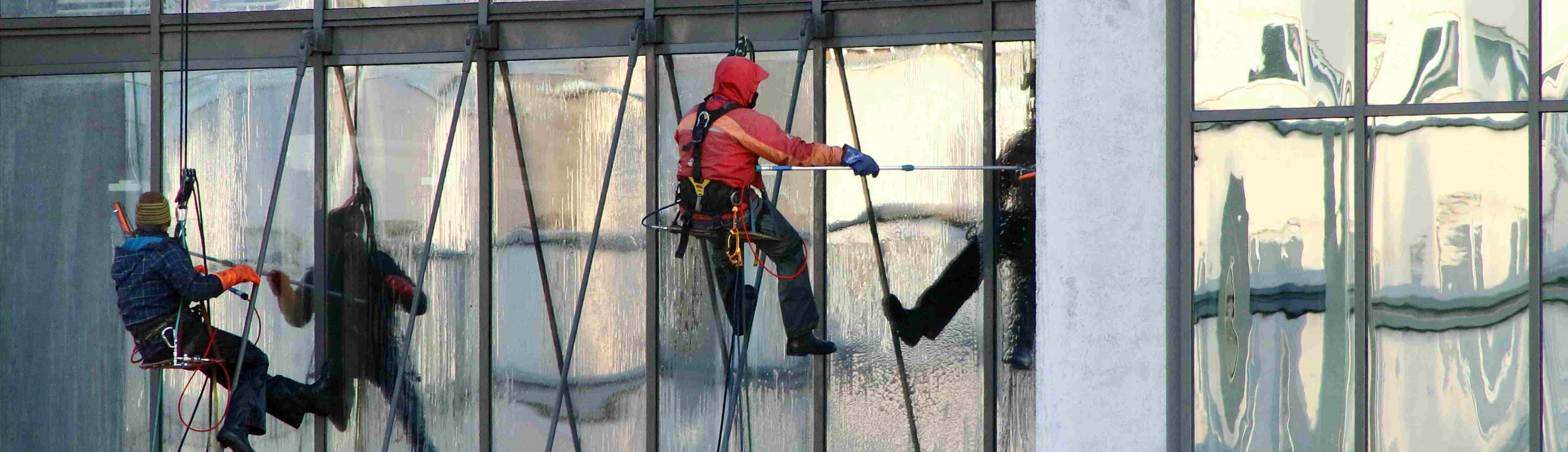
Window and Glass Cleaning
Windows often need additional attention after construction. Fine dust and fingerprints can make newly installed glass appear dull.
Post-construction window cleaning may include cleaning interior glass, frames, sills, and other accessible areas. Removing construction residue from glass should be done carefully to avoid scratching the surface.
Kitchen and Bathroom Cleaning
Renovated kitchens and bathrooms can require detailed cleaning before they are ready for use.
Cabinets, countertops, sinks, fixtures, appliances, tile, floors, mirrors, and other surfaces can collect dust during installation and finishing work. A detailed cleaning focuses on removing visible residue while leaving the space ready for normal use.
Construction Cleanup Service vs. Regular Cleaning
A common question is whether regular cleaning is enough after construction.
Usually, post-construction cleaning requires a different approach because the type and amount of debris are different from everyday dirt.
| Regular Cleaning | Construction Cleanup |
| Removes everyday dust and dirt | Addresses construction-related dust and debris |
| Focuses on routine maintenance | Focuses on post-project conditions |
| Usually scheduled regularly | Often performed after renovation or construction |
| Uses standard cleaning routines | May require multiple cleaning stages |
| Maintains an existing space | Prepares a newly completed or renovated space |
This distinction is important when planning a move-in, property opening, renovation handover, or final project presentation.
When Should Construction Cleanup Be Done?
Construction cleanup is generally performed after major construction activity has finished and before the property is occupied or presented as complete.
For larger projects, cleaning may happen in stages rather than during one visit. A rough cleanup can remove larger debris first, followed by detailed cleaning once installation and finishing work are complete.
Timing also depends on the contractor’s schedule. Cleaning too early may create unnecessary repeat work if additional sanding, painting, installation, or repairs are still underway.
A final cleaning is usually most effective when the major sources of construction dust and debris have stopped.
Who Needs Construction Cleanup Services?
A Construction Cleanup Service can be useful for a wide range of projects.
Homeowners may schedule cleaning after:
- Kitchen remodeling
- Bathroom renovations
- Room additions
- Flooring installation
- Painting projects
- Whole-home renovations
- Property repairs
Builders and contractors may use post-construction Cleaning Services before presenting a completed project to the property owner.
Commercial clients may need cleanup after office renovations, retail construction, tenant improvements, facility upgrades, or other building projects.
Property managers can also arrange post-renovation cleaning before a tenant moves into an updated apartment, office, or commercial space.
How to Prepare for Post-Construction Cleaning
Good coordination between the contractor, property owner, and cleaning company can make the process more efficient.
Before scheduling final cleaning, confirm that major construction work has been completed. Remove valuable personal belongings from the area when possible, identify surfaces requiring special care, and communicate any areas that should not be cleaned.
It is also useful to clarify whether debris hauling, interior window cleaning, appliance cleaning, or other detailed tasks are included in the requested service.
If a project involves potentially hazardous materials such as lead or asbestos, ordinary cleaning should not be treated as a substitute for specialized remediation or legally required handling.
The EPA notes that lead-containing renovation waste may require containment during collection and transportation, and local or state disposal requirements may also apply.
How to Choose Construction Cleanup Services
When comparing Cleaning Services, look beyond the basic promise of removing dirt.
Ask what the service actually includes, whether the company handles residential or commercial projects, how the cleaning is scheduled around construction, and whether additional tasks are available.
A useful evaluation should consider:
- Scope of cleaning: Confirm which rooms, surfaces, and tasks are included.
- Project timing: Make sure the cleaning schedule works with the contractor’s completion date.
- Surface care: Ask how floors, glass, fixtures, and finished surfaces will be handled.
- Debris requirements: Clarify what type of construction waste can be collected or removed.
- Communication: Make sure expectations are clearly established before work begins.
A written scope can help prevent misunderstandings about what the final cleanup includes.
Why Professional Construction Cleanup Can Be Useful
Post-construction cleaning can be physically demanding and time-consuming. Fine dust may settle repeatedly, while construction residue can require detailed attention across many surfaces.
Hiring a dedicated cleaning company allows property owners and contractors to focus on the project itself while the cleaning team handles the final presentation of the space.
Professional Construction Cleanup can also provide a more systematic process, moving from debris removal to dust removal and then detailed surface cleaning.
The goal is not simply to make a property look cleaner. It is to prepare the space for its next stage of use.
A Cleaner Final Step with Pristine and Cleaning
At Pristine and Cleaning, Construction Cleanup Service can be an important final step after renovation, remodeling, or building work. A newly completed space deserves attention to the details that ordinary cleaning may not address.
From construction dust and leftover debris to floors, windows, kitchens, bathrooms, and finished surfaces, the right cleaning plan can help prepare the property for occupancy or handover.
If your renovation or construction project is nearing completion, contact Pristine and Cleaning to discuss the cleaning requirements for your property and determine which services fit the project.
FAQ
What is included in a Construction Cleanup Service?
A Construction Cleanup Service commonly includes construction debris removal, dust removal, vacuuming, floor cleaning, surface wiping, window and glass cleaning, and detailed cleaning of kitchens, bathrooms, fixtures, and other affected areas. The exact scope depends on the property’s condition and the cleaning package selected.
When should I schedule Construction Cleanup Service?
Construction Cleanup Service is generally scheduled after major construction, renovation, installation, and finishing work has been completed. Larger projects may require more than one cleaning stage. Scheduling the final detailed cleaning too early can lead to additional dust and debris from unfinished work.
How is construction cleanup different from regular cleaning?
Construction cleanup focuses on materials and residue created by building or renovation work, such as drywall dust, sawdust, packaging, and project-related debris. Regular cleaning generally addresses everyday dirt and maintenance. Post-construction cleaning therefore requires a different scope and cleaning sequence.
Can Construction Cleanup remove hazardous materials?
Standard Construction Cleanup should not be assumed to include hazardous-material remediation. Materials such as asbestos or lead-containing debris may be subject to specific handling requirements. The EPA recommends appropriate containment and lead-safe practices for applicable renovation work, while local requirements may also apply.
Conclusion: Make the Final Step Count
Construction can transform a property, but the work is not truly ready for everyday use until the remaining dust, debris, and project residue have been addressed.
A properly planned Construction Cleanup Service helps bridge the gap between “construction complete” and “space ready to use.” Whether it is a renovated home, newly finished office, retail property, or larger commercial project, detailed cleanup can improve the appearance and readiness of the finished space.
Pristine and Cleaning can help you plan the final cleaning stage around your project’s needs. Contact the company to discuss your post-construction cleaning requirements and prepare your property for its next chapter.